

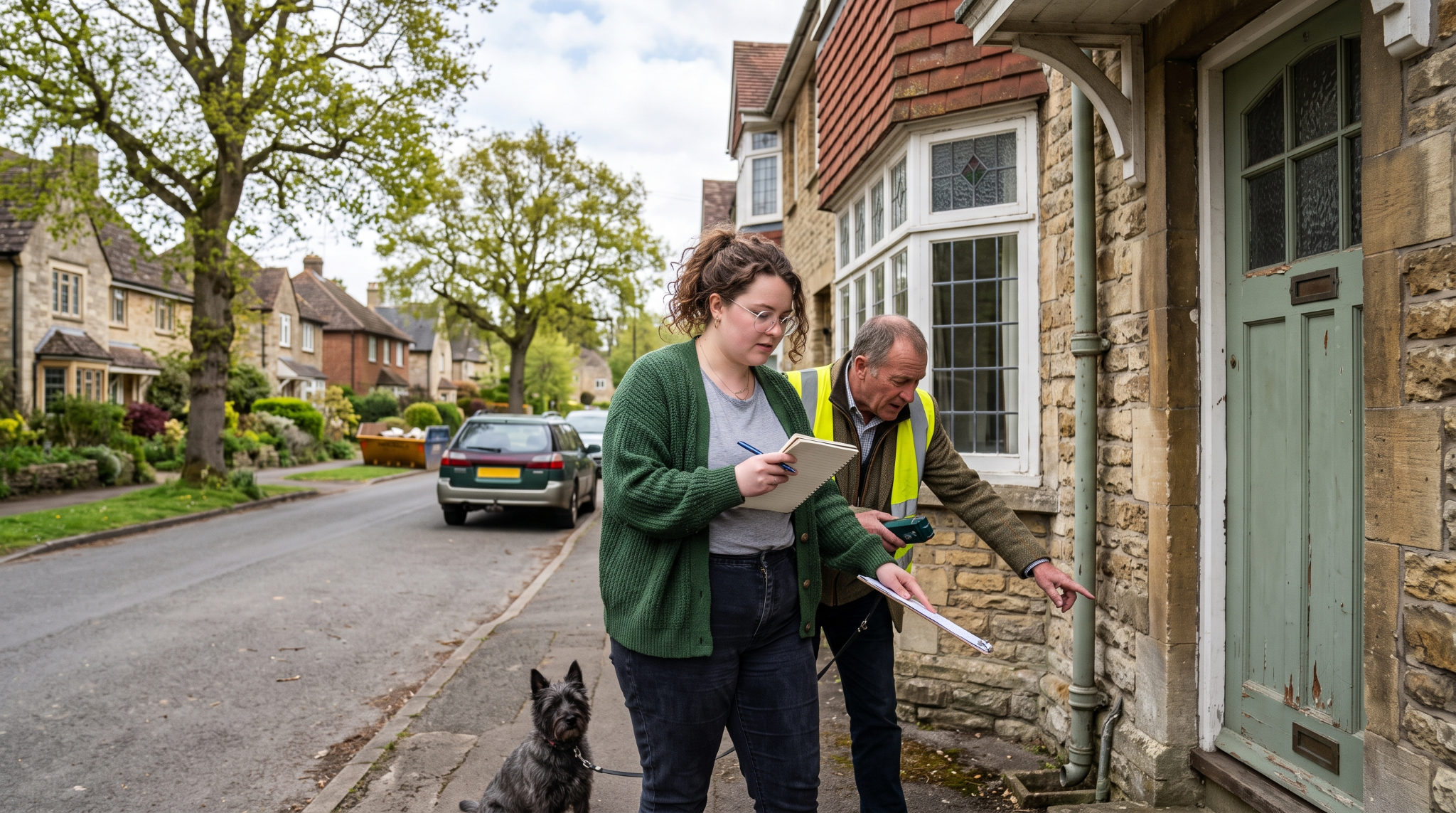
Even though an old brick wall is charming, it might hide an expensive problem. Old houses in the UK often feel characterful, but behind that charm, there are hidden issues you only discover after moving in.
According to The Health Foundation, one-third of homes in England built before 1919 do not meet the Decent Homes Standard. This is much higher than the less than 8% of homes built after 1980 that do not meet the standard. Knowing what to look for before buying saves time, money, and stress.
But why do older homes need inspecting? Building methods and materials have evolved greatly since the Victorian and Edwardian eras. Over time, natural age takes its toll; timber roofs can bow and electrical systems inevitably degrade. However, this does not mean that buying an older home is a bad idea. It just means it is important to take a closer look before making a decision.
At Oneri Real Estate Appraisals, we offer practical guidance for buyers and sellers who are navigating the London property market.
Key Things to Check In Older Homes First
Here are the eight important things to check before buying or renovating an older home:
Assess the Roof and Guttering
Start by examining your roof. If you notice any missing tiles, a sagging top part, or green moss growing, it could be time to make some repairs. Use a torch to check your loft for any damp spots. If you see water spilling over from the gutters, that usually means they are clogged and need to be cleaned out.
Look for Damp and Moisture
Some older houses might not have a proper barrier to keep moisture from the ground out, which can lead to problems. You might notice water marks near the bottom of the walls, a musty smell on the lower floors, or even peeling and bubbling paint. To see how this works in practice, explore this short visual guide on how homebuyer damp surveys diagnose moisture problems in historic properties:
Inspect Electrical Wiring and Fuse Boxes
If you see round pin sockets, cables covered in cloth, or an old fuse box that you can rewire, it is a sign that your electrical system needs to be looked at. The wiring put in many years ago was not designed for today’s use, with things like kettles, laptops, and chargers all being used at the same time. It’s a good idea to have an electrician check your system.
Watch for Structural Cracks and Movement
Small cracks in plaster are generally not a problem. Old buildings naturally move a bit as the weather changes. However, if you see larger cracks near doors or windows, or if doorframes look warped and out of alignment, it’s advisable to have a surveyor check them out.
Check for Asbestos and Hazards
Asbestos was commonly used in buildings in the UK until 1999. You can find it in older insulation materials, ceiling finishes, and floor tiles. A 2025 Health and Safety Executive report found that asbestos is present in buildings constructed before the year 2000 and is responsible for about 5,000 deaths annually.
A quick survey by an expert like Advance Asbestos Removal can help you identify potential risks and the safest path forward. Asbestos fibers are only harmful when disturbed, so a quick conversation with an expert before you begin renovating can prevent a small project from becoming a significant health hazard.
Test Windows, Doors for Drafts and Moisture Damage
Single-pane sash windows look good, but they can lose heat quickly. On a chilly day, check the window edges for cold air coming in, and look at the timber frames for signs of rot. If doors stick in their frames or drag on the carpet, it could be swollen woodwork or a house settling over time.
Check Plumbing and Water Pressure
Older properties often still contain original lead or galvanised steel pipework, which usually needs replacing to ensure safe, reliable water flow. To check the water pressure, turn on several taps at the same time. Also, look under your sinks for any green stains, which indicate corrosion.
Confirm Planning and Listed Status
Many older homes are considered protected buildings or are located in special historic places. This means that before you make any changes in these homes, you need to get permission. It is wise to check with your local council about the rules that apply to your area before you begin any renovation plans.
Conclusion
Older homes offer a charm that new builds often lack, but checking key details early is essential. Inspecting the roof, wiring, damp issues, asbestos, and planning rules will help protect your budget and plans.
A professional survey before buying or renovating ensures you know what to expect reduces unwanted worries. Book it early on, ask plenty of questions, and you can enjoy your property’s character with peace of mind. For more information, contact us at Oneri Real Estate Appraisals now.
Renting out a property? See our lettings information page.